Patients often arrive to their first consult with a screenshot, a budget range, and a question that sounds simple: which lip filler lasts the longest? Durability matters, but it does not live on its own. The most resilient gel in the world will disappoint if placed in the wrong plane, chosen for the wrong lip, or handled without respect for swell patterns and tissue movement. The longest-lasting lip also needs to look and feel like your lip at rest and in motion. That is the standard worth aiming for.
This guide pulls from years of injecting, dissolving, and re-injecting every common filler family, along with frank conversations about maintenance, cost, and what “long-lasting” really looks like on a calendar rather than a label.
What “long-lasting” actually means in lips
Durability in lips is shaped by two clocks: one is the chemistry of the filler, the other is your body’s mechanics. Hyaluronic acid fillers are gradually cleared by enzymes and oxidative stress. High crosslink density slows that process, which is why stiffer gels tend to last longer. Yet lips are in constant motion. They compress for speech, fold for smiles, and stretch for eating. That movement fragments firmer gels over time. A product that stays 12 to 18 months in the midface might soften away faster in the vermilion.
In practice, most patients see their lip filler arc like this: noticeable fullness for the first 3 to 4 months, a gentle softening from months 4 to 8, then a slow taper that becomes obvious in photos around months 9 to 12. A small subset, often those with fast metabolism, heavy exercise, or frequent sauna use, will feel lighter even by month 6. Another subset, especially those layered over several sessions, will carry structure for 12 to 18 months.
If you prefer a consistent look rather than a long fade, a planned lip filler maintenance schedule with touch ups every 6 to 9 months gives the best day-to-day experience, even if the material technically remains for longer.
The main families of lip fillers and how they wear
Hyaluronic acid fillers dominate lip work for a good reason. They are reversible with hyaluronidase, have predictable rheology, and can be tailored to feel plush or crisp. Within HA, the manufacturing method changes performance.
Hylacross and Vycross are crosslinking technologies used by Juvederm. NASHA and XpresHAn are used by Restylane. RHA technology underpins the Teoxane RHA line. These are not just brand slogans. They produce gels with distinct firmness, water attraction, and flexibility, which then determine lip filler softness, strength, and flexibility in practice.
A few broad truths from the chair:
- Firmer gels hold projection and last longer, but can look stiff in a mobile lip or pull vertical columns when you smile. Softer gels move with expression and feel natural, but need more frequent top-ups. Highly hydrophilic formulas pull water for a plump look on day two, which reads great in selfies but can amplify swelling.
Brand by brand: where durability meets feel
I will speak to the best-known options because that is what most clinics carry and what most patients ask for. Availability varies by country, and not all versions are FDA cleared in the United States. Your injector should match the product to your lip anatomy, which matters more than the logo on the box.
Juvederm Ultra and Ultra Plus These are classic, cohesive gels. Ultra brings a soft, pillowy finish; Ultra Plus is firmer. In lips, Ultra typically holds 6 to 9 months of primary effect, sometimes pushing to 12 when layered. Ultra Plus can stretch a bit further, but on thin lips or strong animation I have seen edge stiffness. They are relatively hydrophilic, so plan for a slightly more pronounced lip filler swelling timeline in the first 48 hours.
Juvederm Volbella XC Built with Vycross, Volbella is smoother and less water-loving. It excels at fine definition, lip line polish, and subtle shaping of the Cupid’s bow. Not a volume workhorse. Durability is often underestimated because it does not scream fullness. Patients see elegant longevity for feathering lines and border refinement well into 9 to 12 months, even if the bulk looks modest.
Juvederm Vollure XC A sweet spot for longevity-to-softness. In my hands, it gives more structure than Volbella without the stiffness that can creep into Ultra Plus. In lips, 9 to 12 months is realistic, with many patients maintaining form at a year if initial dosing was adequate.
Restylane-L (NASHA) Crisp definition, reliable structure. Swelling can look dramatic on day two, then settles into a well-shaped lip with good control at the border. Durability ranges 6 to 9 months for most, 12 for some. It can show Tyndall if placed too superficially in pale, thin skin, so injector depth is key.
Restylane Silk Designed for finesse. It trades longevity for finesse, sitting naturally in the top layers and improving texture. Expect 6 to 9 months in most cases. Great for etched lines and a subtle plush effect.
Restylane Kysse (XpresHAn) Engineered for dynamic stretch, Kysse remains one of the most popular for a reason. It delivers flexible volume and holds shape while feeling integrated. Patients consistently report 9 to 12 months of pleasing contour, with a soft landing rather than a sudden drop-off. Kysse is often my pick for active patients who hate the feeling of a “balloon” lip.
RHA 2 and RHA 3 Teoxane’s RHA gels are designed for movement. RHA 2 gives a smooth, supple finish. RHA 3 adds structure without getting glassy. In lips, 9 to 12 months is typical. RHA 3 builds center body nicely while RHA 2 shines along the border and for vertical lines.
Belotero Balance Integrates beautifully for surface refinement, blending into fine lines like few others. Volume longevity is shorter, often 6 to 9 months. Used strategically in perioral lines, it can extend the crispness of a lip that already has body from a different filler.
Calcium hydroxylapatite and poly-L-lactic acid Radiesse and Sculptra are powerful stimulators in the face, yet they are not first-line choices for the vermilion. Off-label microdroplet use can improve perioral support and indirectly support lip shape over time. Lasting effect is long, but direct lip augmentation with these is generally avoided due to nodule risk and a lack of reversibility. For the strict question of long-lasting lip filler in the lip itself, hyaluronic acid remains the safest answer.
The durability short list
If someone asks, and I must give a tight list based on staying power plus natural motion, it looks like this:
- Restylane Kysse for flexible, believable lips with year-long satisfaction in many cases. Juvederm Vollure for balanced structure and 9 to 12 months of visible effect. RHA 3 when you want shape that moves well and wears gracefully toward a year.
Notice what’s missing: the densest cheek fillers. They can last longer on paper, but in a highly mobile lip they often feel off and may migrate or create shelfing with time.
Dosage planning and how many syringes you really need
Lip filler syringe amount needed depends on your starting anatomy and goals. A half syringe, 0.5 mL, will refine edges, boost hydration, and add a whisper of body. A full syringe, 1 mL, can produce a meaningful change from most angles without looking overdone. If you want a significant transformation or if your lip tissue is thick and resilient, multiple syringes are sometimes mapped over two sessions, not all at once. Staging lets the skin adapt, reduces risk of migration, and usually produces the cleanest results.
Patients who chase maximum durability often benefit more from a layered approach than a single heavy day. Think of it as building a scaffolding under the lip over 6 to 9 months. The result behaves better and tends to last longer, particularly at the border where shape matters.
How long do lip fillers last, really?
In the clinic, these ranges hold true for most healthy, non-smoking patients:
- Subtle finesse fillers: 6 to 9 months of visible benefit, with taper to 12 months for textural gains. Balanced structure fillers like Kysse, Vollure, RHA 3: 9 to 12 months reliably, with some patients riding to 15 months. Classic gels like Ultra, Restylane-L: 6 to 12 months depending on metabolism and placement.
Longevity improves after your second session. Once you have a base, touch ups require less product and provide longer, smoother arcs of fullness.
Timeline of what you will feel and see
Day 0 to Day 2 Placement days differ. Needles give pinpoint accuracy along the border. Cannulas reduce bruising in the body. Either way, expect swelling to peak between 24 and 48 hours, sometimes with uneven puffs that do not represent the final shape. The lip filler swelling duration is affected by technique, the amount injected, and whether you bruise.
Days 3 to 7 Swelling lip filler near me retreats. Tiny lumps from injection channels soften. If you feel grainy texture along the border, that usually smooths with time and gentle massage as directed. Your lip filler onset time, in the sense of the true shape, shows itself as swelling clears.
Weeks 2 to 4 This is the look to evaluate. The gel has settled, hydration has stabilized, and you can judge balance between top and bottom lip, side profile, and Cupid’s bow.
Months 3 to 6 The lip ages into its best phase. It feels like your own again. Photos show a consistent curve.
Months 6 to 12 You decide how much fade is acceptable. Some maintain a lip filler touch up schedule at month 6 to keep the look steady. Others stretch to 9 or 12 months, especially when budget planning calls for it.
Migration, lumps, and the durability trap
Chasing the longest lip filler duration can lead to heavy-handed sessions and a gel that ends up where it should not. Migration often shows as a shadowy roll above the lip or a blurred border. The fix may require hyaluronidase and a reset. Choosing a product that moves with you, and allowing time between sessions, protects your result more than simply demanding the densest filler.
If lumps persist at the two-week mark, they can be gently broken up in the office or dissolved in a targeted way without sacrificing the whole lip. Avoid constant self-massage or at-home devices during the first week. They worsen bruising and can pocket gel in tunnels you do not want.
Longevity vs. look: fillers, lip flip, and implants
Not all volume is filler. A Botox lip flip relaxes the orbicularis oris so more pink shows, which can look like mild augmentation. It does not add substance and it lasts 6 to 10 weeks on average. It pairs well with a conservative filler plan for patients who want more top-lip show when they smile. If you struggle with a gummy smile, this combination can help without resorting to heavy filler along the white roll.
Compared with permanent lip implants, HA fillers are temporary, adjustable, and dissolvable. Implants last, but they can edge, rotate, or look rigid with time. If you crave guaranteed permanence, weigh the trade-offs carefully. Many patients who try implants end up returning to HA because of flexibility in style and aging. Lip plumping glosses offer a short-lived flush through irritation or menthol, useful before a night out but irrelevant to real augmentation.
Cost, value, and why cheap can be expensive
Patients often ask how much do lip fillers cost in a way that mixes sticker price with outcome value. A realistic lip filler cost per syringe in the United States typically ranges from 500 to 1,000 dollars, sometimes higher in major metros or for premium, long-lasting filler families. A half syringe is often priced slightly less than half the full syringe, since the same visit, expertise, and materials apply.
What drives the lip filler price:
- The brand. Premium gels like Kysse or RHA may sit at the higher end due to acquisition cost and performance. The injector’s expertise. A seasoned injector reads your anatomy and plans for your lip filler outcome longevity. That skill is part of the lip filler investment treatment. Geography and setting. Hospital-based or boutique clinics carry different overhead.
Patients sometimes save by doing staged care. You can start with a half syringe for definition, return in 8 to 12 weeks for a second pass, and still spend within one to two syringes for the year. That cadence often gives better lip filler long term results than a single large session.
On financing, many clinics offer lip filler payment options through in-house plans or third-party services. If you plan for consistent maintenance, fold the lip filler maintenance cost into annual budget planning, just as you would for hair color or skin treatments. If cost transparency matters, ask for a lip filler cost breakdown that includes any possible touch-up fee, follow-up visit charges, or dissolving fees in the rare case of overcorrection.
Budget planning without regret
There are two ways to think about lip filler cost effectiveness. The first is lip filler value per syringe, where stiffer, longer-wearing products may seem like a better buy. The second is cosmetic return on investment over the months you care about looking a certain way. If you hate the first month’s swelling, a cheaper, more hydrophilic gel might actually be the costlier choice in emotional terms. For steady confidence, choose the product and plan that gives you the highest number of “good face days” in your year, even if each syringe costs slightly more.
If you are seeking lip filler affordable options, ask whether your goal could be met with a soft border polish plus a small body boost. Many patients love how a 0.7 mL plan looks spread across two micro-sessions. It brings definition that holds longer than pure bulk, because shape persists as volume softens.
What improves longevity, beyond the syringe
Hydration supports HA. Patients who keep a stable skincare routine and steady water intake often report a nicer glide and feel. That said, do not expect night-and-day changes from supplements marketed for “filler preservation.” The basics matter more. Avoid smoking, which dehydrates tissue and speeds breakdown. Moderate very high-heat habits like daily steam rooms. If you train intensely, you do not need to stop, but understand that high metabolism sometimes shortens wear off time.
Technique plays a big role. A precise lip filler dose planning strategy that respects the wet-dry border, supports the philtral columns without overfilling them, and balances top to bottom usually lasts longer because it is mechanically sound. Results per syringe also improve when the product is placed in a plane that matches its rheology. Softer gels blend beautifully in the superficial plane for texture, while structured gels do better a touch deeper where they are less stressed by constant folding.
A realistic touch-up calendar
A reasonable lip filler frequency for most patients is:
- New to filler: 1 mL established over one or two visits in the first 3 months. First maintenance: a conservative 0.3 to 0.6 mL at 6 to 9 months, tailored to how you fade. Established patients: annual 0.5 to 1 mL total, often in smaller, well-timed passes.
This keeps the lip filler results timeline smooth. When the fade is subtle, touch ups often feel optional rather than urgent. If your selfies or lipstick application begin to lack the clean line you enjoyed at month 3, that is your early signal.
Side effects and your recovery timeline
Expect tenderness, swelling, and possibly bruising. Lip filler bruising duration runs from 3 to 7 days for most. Arnica can help, but the bigger wins are avoiding blood thinners, alcohol, and vigorous exercise for 24 hours. If you are prone to cold sores, pre-treat with an antiviral. True vascular complications are rare, recognized by uncontrolled pain or skin color changes. Your injector should review warning signs and be reachable. This is not scare talk. It is good medicine.

Temporary vs permanent thinking
Lip filler temporary vs permanent is more than a materials debate. Lips change with age. Cupid’s bows flatten, the white roll softens, teeth show patterns shift. A reversible, adaptable tool is often smarter for a moving target. Permanent solutions, whether implants or surgical lifts, lock in a look that may not age with you. Patients with the best long term results usually accept that the lips they want at 28 and at 42 are not identical, and plan small, periodic refinements to match.
What I recommend when durability is your top priority
If your priority is longest-lasting filler that still looks like you on video calls, profile shots, and during real laughter, start with a product in the “dynamic structure” category such as Restylane Kysse, Juvederm Vollure, or RHA 3. Begin with 0.7 to 1.0 mL mapped for both body and border, then review at 8 weeks. Add 0.3 to 0.5 mL if needed for balance or to reinforce the pillars. Set your lip filler maintenance schedule at 8 to 10 months for a light refresh. This plan costs a bit more in year one but lowers the lip filler repeat treatments volume later and keeps the look even.
If you prefer the most natural feel with subtle change, Volbella or RHA 2 along the border plus a small amount of a slightly firmer gel in the central body ages beautifully to 12 months in many patients. It is also a good gateway lift if you are filler shy.
If budget is tight, prioritize expert hands and a tailored plan over chasing the cheapest syringe. Ask for a lip filler pricing guide during consult. Sometimes the best value is a half syringe expertly placed where it reads most on camera, such as the tubercles and Cupid’s bow, rather than a full syringe spread thinly.
A quick comparison you can take to consult
- You want soft motion and year-long satisfaction: Restylane Kysse or RHA 3. You want crisp edges with balanced fullness: Vollure or classic Restylane with thoughtful placement. You want finesse and texture improvement over big volume: Volbella, RHA 2, or Belotero for lines, possibly paired with a small body-builder. You want the most volume per visit and accept slightly more swelling: Juvederm Ultra or Ultra Plus, chosen carefully for your tissue.
Before-and-after expectations and photos
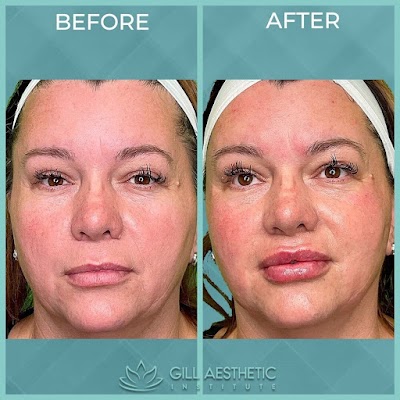
The lip filler before and after timeline is shorter than most facial areas, which is another reason people love it. Most patients feel camera-ready at day seven, with peak attractiveness at week three. If you plan for an event, treat at least two weeks in advance. If you bruise easily, stretch to three. Schedule your check at two weeks for fine-tuning. Photos taken in the same lighting and pose help you and your injector calibrate. They also reveal the subtle lift that you stop noticing in the mirror.
Final thought: durability is a strategy, not a product label
No filler alone guarantees the longest lip filler treatment lifespan. Durability is the sum of right product, right plane, right dose, and right timing. If you respect movement and refresh before a full fade, you will carry your result longer, spend more predictably, and avoid the downsides of overfilling. The best lip filler long lasting filler is the one you forget you had done, because it simply looks like your mouth on your best day, most days of the year.